Our first field week · Archipelago Sea

Five sites, one week at sea.

We wanted to contribute to Baltic Sea conservation in a practical way. After learning more about the region’s marine habitats and where our skills could help, we chose seagrass as the focus of our first project. This field week brought eight of us from Åbo with Scouts Koffan.

8 people aboard5 sites visited15 sites on our list

Why this project

From learning about the Baltic Sea to our first fieldwork.

We looked at the marine habitats that need attention and considered where a team of marine biology students and divers could contribute. Seagrass meadows stood out as a species-rich shallow-water habitat that we can study directly underwater. We planned to revisit sites surveyed around 20 years ago, record their current condition and begin a small restoration experiment.

Eight of us sailed for a week with Scouts Koffan. We visited five of the 15 sites on our list, and we plan to continue the monitoring next summer.
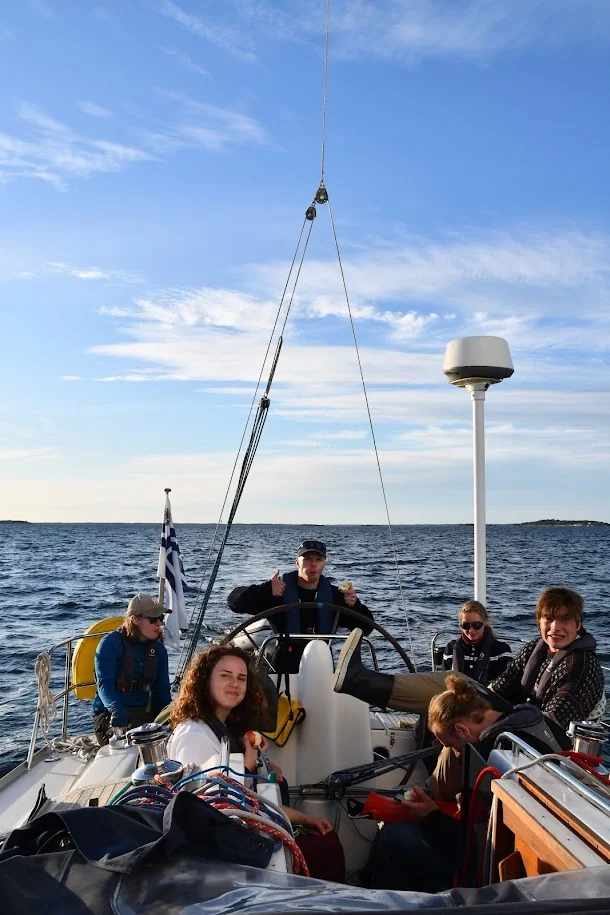
The eight-person team setting out by sailboat from Åbo
Setting out from Åbo with Scouts Koffan

First stop · Nötö

Lunch on Nötö, then collecting plants for the experiment.

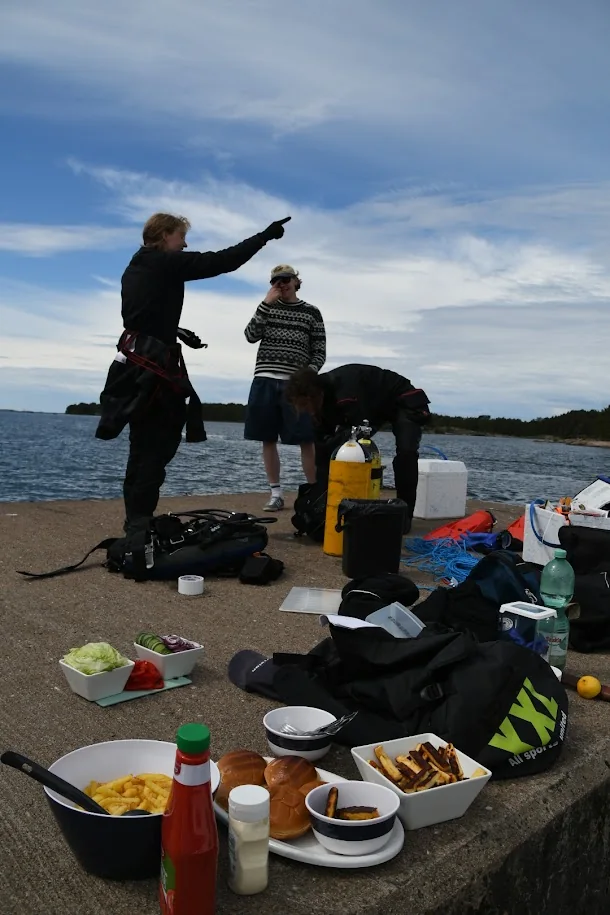
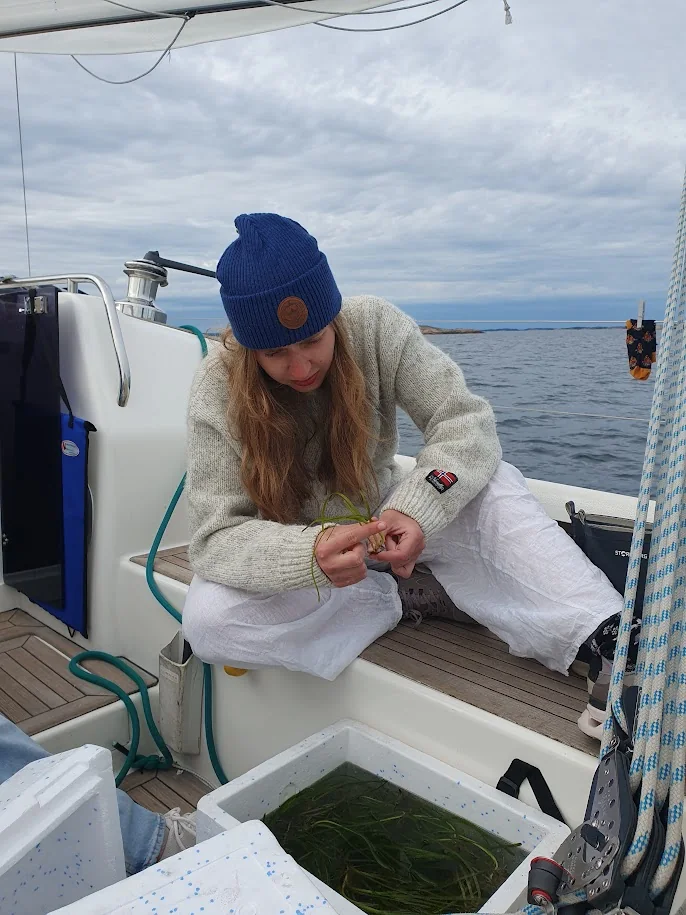
Nötö was our first stop after leaving Åbo. We had lunch there and collected seagrass, Potamogeton and Ruppia for the planting experiment. On the way to Stora Hästö, we sorted and prepared the plants on board.

The crew taking a lunch break on Nötö
Lunch stop on Nötö
Sorting seagrass plants aboard the sailboat
Preparing plants on the way to Stora Hästö

Early morning · Stora Hästö

Nine patches, three planting combinations.

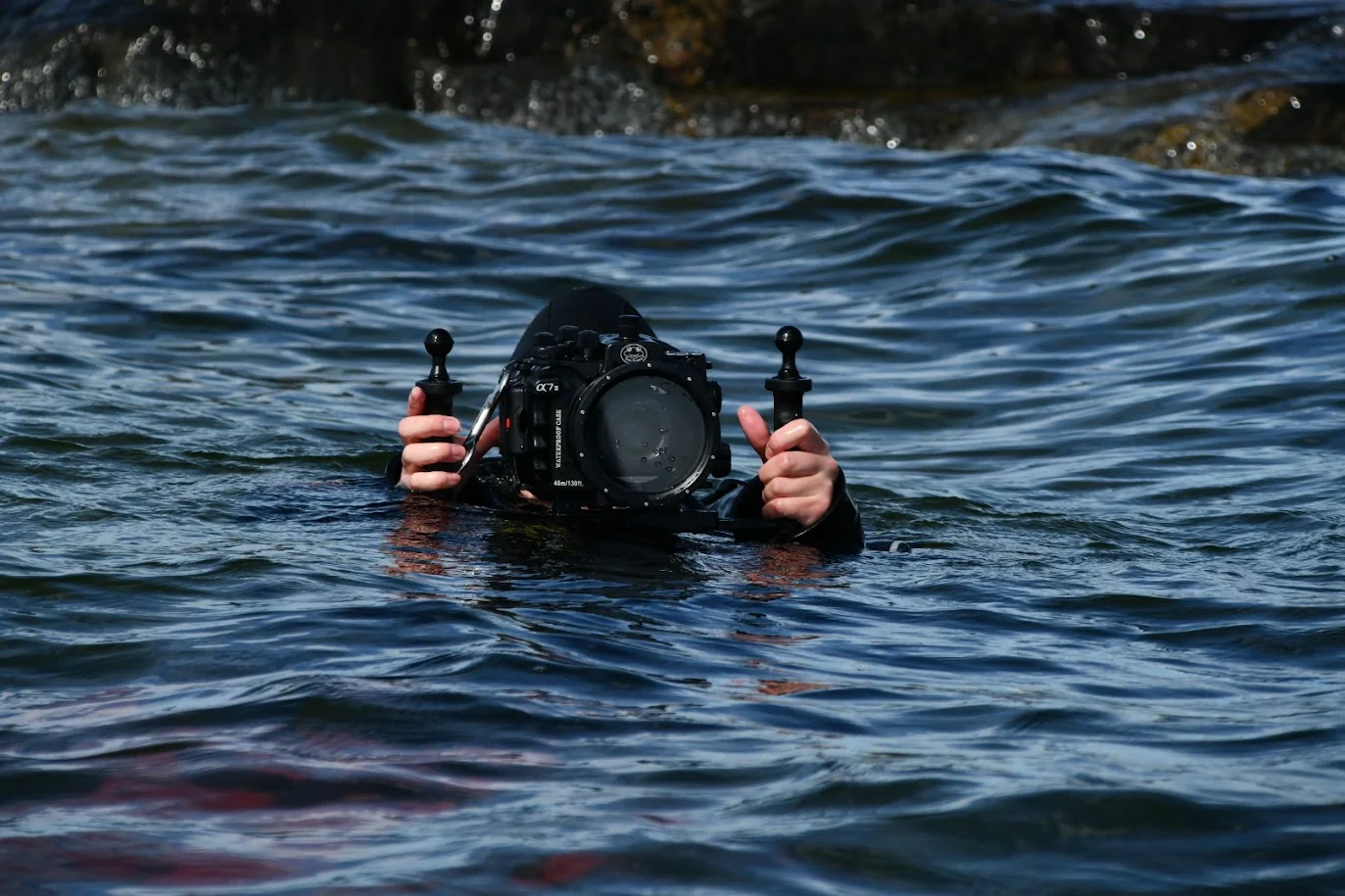
We slept at Stora Hästö and went out early the next morning. We planted nine patches: three with seagrass alone, three with seagrass and Potamogeton, and three with seagrass and Ruppia.

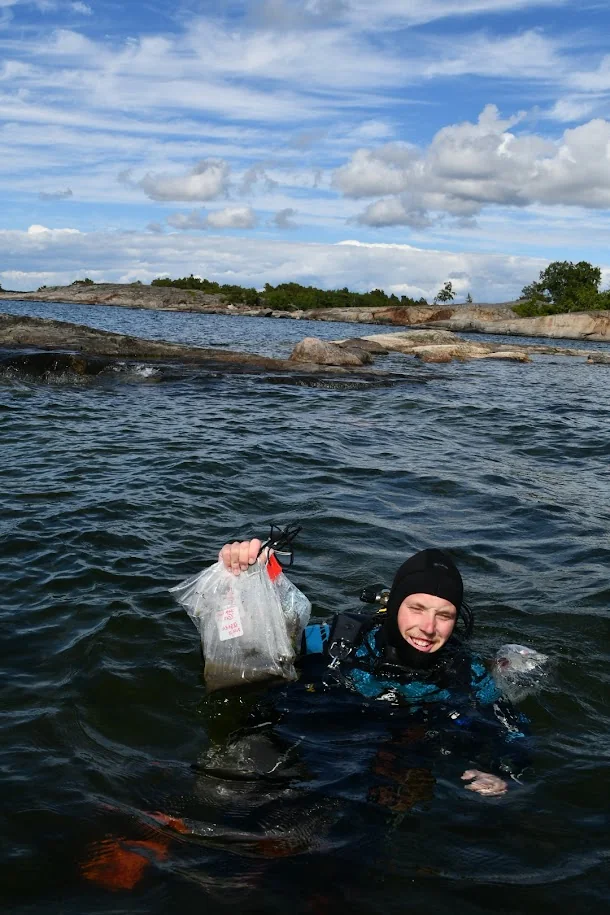
We’ll monitor the patches and compare the three combinations over time. We have seen some early indications, but they are preliminary and need follow-up monitoring before we can say what they mean. We also made a second dive at Hästö for monitoring work and collected our first samples.

A diver working during seagrass planting at Stora Hästö
Planting the experimental patches
A diver bringing the first samples back to the surface
First samples from the field week

Next stop · Jurmo

A long walk to Jurmo Sanden.

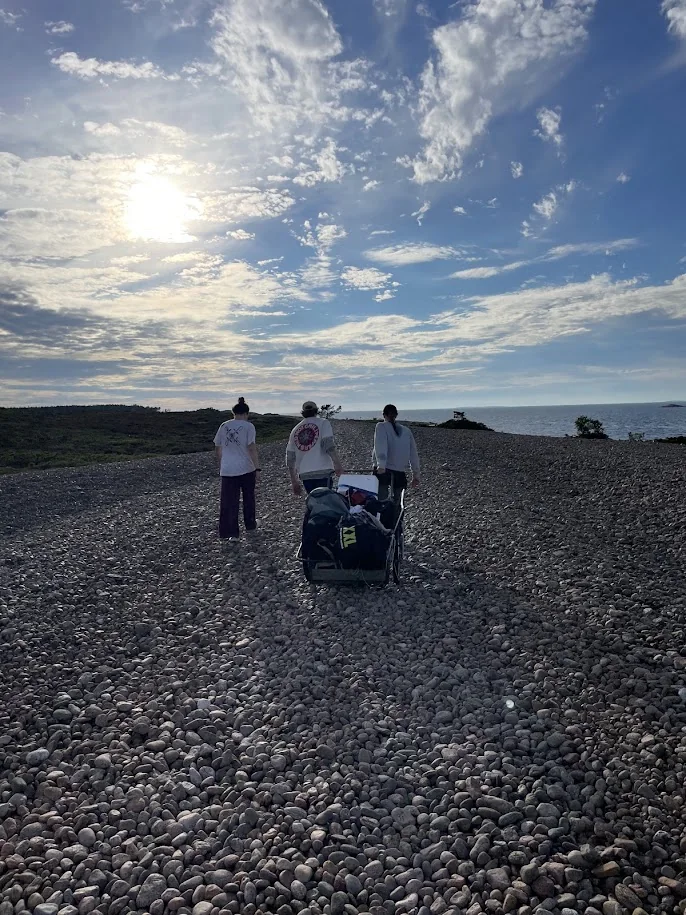
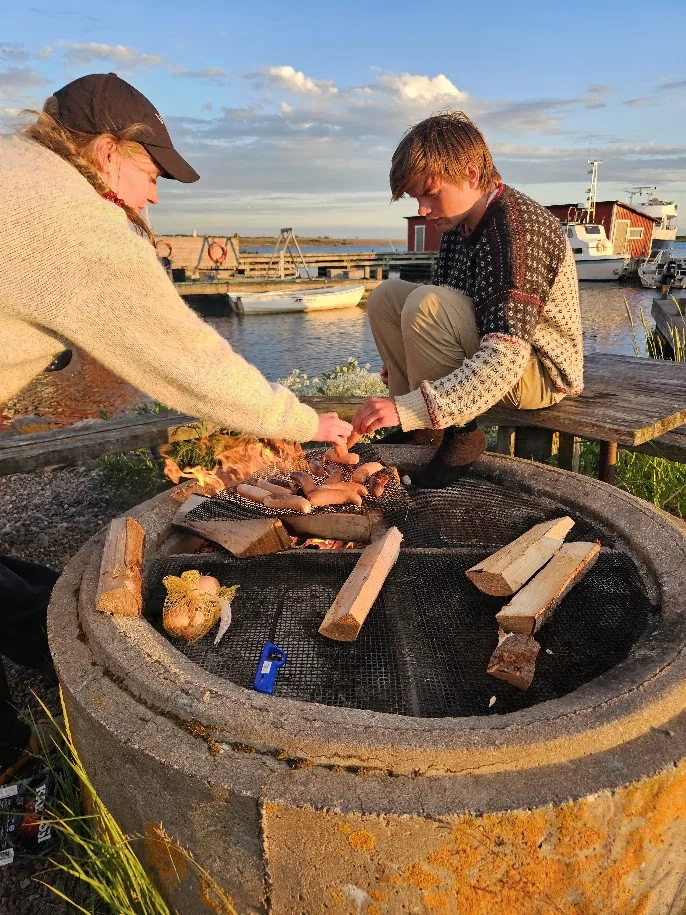
That evening, we sailed to Jurmo and slept there. The next morning, we carried our diving gear across the island to reach the seagrass meadows at Jurmo Sanden. After the dive, we made a fire and grilled dinner together.

The team carrying diving equipment across Jurmo
On the way to dive at Jurmo Sanden
The team grilling together around a fire on Jurmo
Cooking together after the dive

Final dive · Vänö

Our last dive of the week.

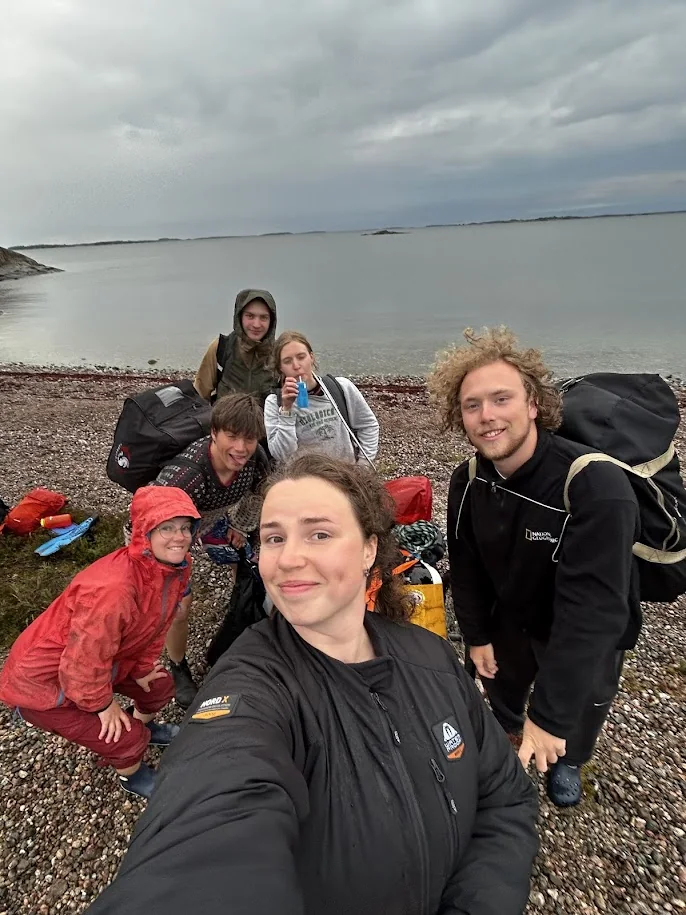
From Jurmo, we sailed to Vänö and made our final dive of the expedition in the seagrass meadows there. That brought us to five visited sites out of the 15 on our list.

We plan to continue the project next summer and return to more of these places. Repeated visits will help us document how the meadows are doing and how they change over time.

The team together at the shore after the final dive near Vänö
At the end of the expedition in Vänö
We have seen some early indications from the planting experiment, but they are still preliminary. We need to keep monitoring the patches before drawing conclusions about whether either combination makes a difference.

What comes next

We’ll be back in the water next summer.

Back to our work